
Massive Critical Vulnerability in PHP (PHP2Shell / CVE-2026-109618): Why Legacy PHP Threatens Corporate Systems & How to Protect Your Business
Technical breakdown of the critical PHP2Shell runtime vulnerabilities (CVE-2026-109618 and CVE-2026-109619, CVSS 9.8) allowing unauthenticated remote code execution (RCE). Find out how to patch your servers immediately and why modern B2B companies are migrating to memory-safe Next.js and TypeScript architectures.
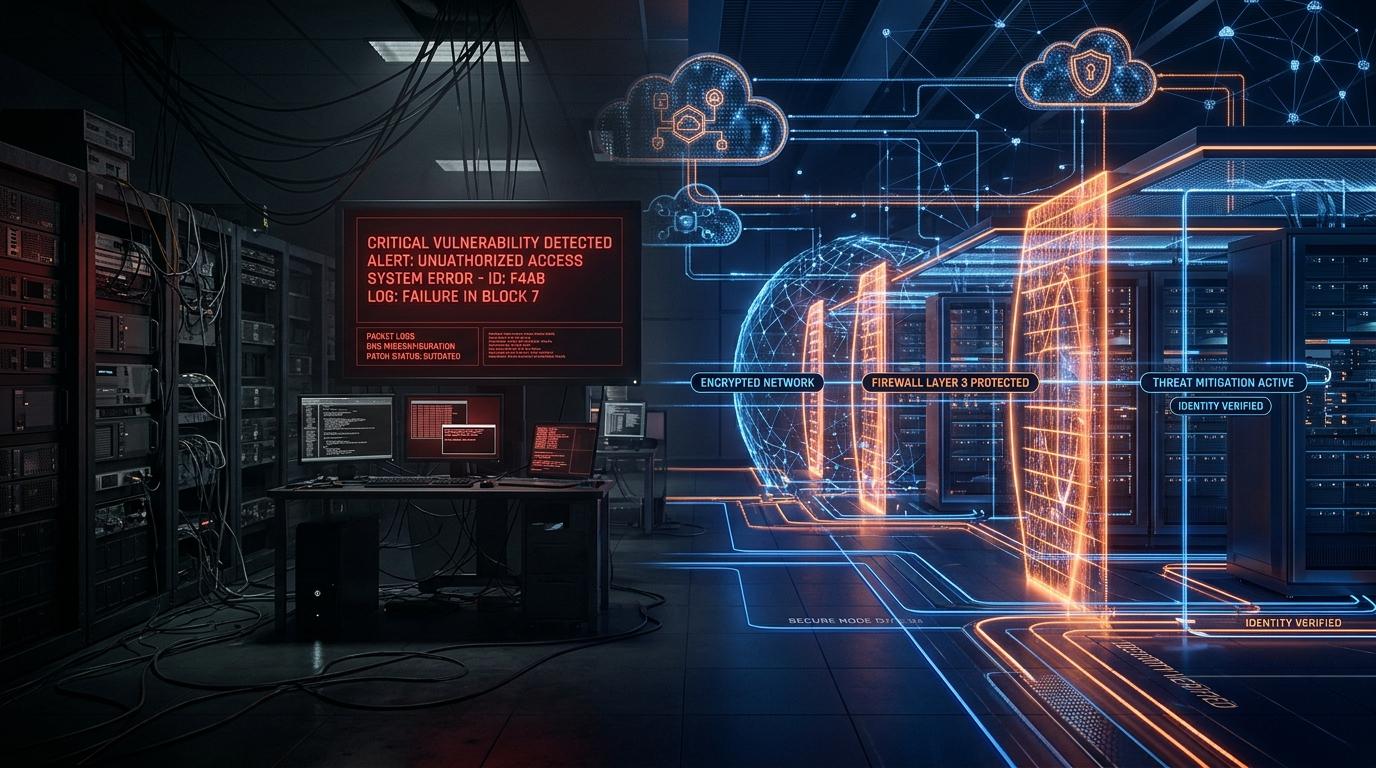
Imagine that an attacker does not need a stolen password, an SQL injection flaw in your code, or an outdated WordPress plugin to take full control of your company server. All it takes is a single crafted HTTP request that triggers a memory limit error inside the PHP engine itself. That is the reality of the critical PHP2Shell vulnerability wave.
What Happened: Anatomy of the Massive PHP2Shell Bug (CVE-2026-109618 & CVE-2026-109619)
In late October 2026, cybersecurity agencies including CISA (adding the flaw to the Known Exploited Vulnerabilities catalog) and ENISA issued emergency alerts regarding a pair of critical vulnerabilities in the core PHP runtime engine: CVE-2026-109618 and CVE-2026-109619 (collectively dubbed PHP2Shell, alongside earlier critical CGI argument injection flaws like CVE-2024-4577).
Unlike ordinary plugin bugs, this flaw resides directly in the C-language core of the PHP engine across virtually all web execution modes (PHP-FPM, Apache mod_php, php-cgi, LiteSpeed, and FrankenPHP):
- CVE-2026-109618 (OOM Memory Corruption via
longjmp()): When a PHP request exceeds the configuredmemory_limit(for example, during a crafted multipart file/form upload), PHP aborts execution using the low-level C functionlongjmp(). If internal request structures are only partially initialized at that microsecond, the cleanup routine treats uninitialized pointers as valid memory—giving the attacker reliable Unauthenticated Remote Code Execution (RCE). - CVE-2026-109619 (Use-After-Free in Persistent Workers): Fatal error handling via
longjmp()leaves stale global pointers pointing to already freed memory regions. When the next HTTP request hits the same persistent PHP-FPM or FrankenPHP worker, the attacker hijacks execution flow and gains shell access on the server.
Critical severity score of core PHP runtime RCE vulnerabilities actively scanned by automated botnets within hours of disclosure.
Architectural Comparison: Legacy PHP Monolith vs. Modern Isolated Next.js 15 & TypeScript Stack
| Security & Operational Criterion | Legacy PHP 7.x / 8.x Application (Monolith / CMS) | Modern Foxmate Architecture (Next.js 15, Node.js, PostgreSQL) |
|---|---|---|
| Memory Management & Request Isolation | C-level pointer arithmetic in Zend Engine; risk of OOM/UAF memory corruption across workers | V8 memory-safe sandboxed heap with strict TypeScript compile-time type safety |
| File System & Shell Execution Surface | Historically permissive (include/eval/exec, writable upload directories executing .php shells) | Immutable read-only serverless/container build; uploaded files go directly to isolated S3/R2 storage |
| Vulnerability to Automated Botnet Scans | Extreme (botnets continuously scan /wp-admin, /vendor, php-cgi, and multipart endpoints) | Minimal attack surface; strict schema validation (Zod) and zero exposed PHP scripts |
| Upgradability & Technical Debt | Upgrading PHP from 7.4 to 8.4/8.5 often breaks legacy code, forcing firms to stay unpatched | Modular decoupled architecture with automated CI/CD dependency patching |
| Performance Under Load (TTFB) | 250 to 900 ms (re-initializing state and database connections) | Under 50 ms thanks to SSR/ISR caching and connection pooling |
Why So Many Czech & European Companies Cannot Simply "Click Update"
The official remediation for PHP2Shell is straightforward on paper: immediately upgrade your runtime to patched versions PHP 8.5.12, PHP 8.4.27, PHP 8.3.36, or PHP 8.2.35.
However, during our security audits for manufacturing, logistics, and e-commerce companies in Prague, Brno, Ostrava, and Olomouc, we repeatedly uncover the same trap: their business-critical B2B portal or internal CRM is still running on unsupported PHP 7.4, 8.0, or 8.1. Why? Because the original freelancer or agency wrote tightly coupled code that crashes with fatal errors if the server administrator upgrades PHP to 8.4.
Immediate 5-Step Emergency Checklist for IT Managers & CEOs
- Verify Your Exact PHP Runtime Version Today: Run
php -von your production servers. If you are below8.2.35,8.3.36,8.4.27, or8.5.12, your server is vulnerable unless your Linux distro (Debian/Ubuntu/RHEL) has backported the exact October 2026 patch. - Lock Down Internal ERP/CRM Portals Behind VPN or Zero-Trust: Never expose internal PHP administration panels directly to the public internet without Cloudflare WAF / Zero-Trust authentication.
- Harden
php.ini& Disable Dangerous Functions: Ensuredisable_functionsblocksexec, passthru, shell_exec, system, proc_open, popenso even a memory corruption exploit cannot easily spawn an interactive shell. - Enforce Strict Request Size Limits at the Reverse Proxy (Nginx / Cloudflare): Reject oversized or malformed
multipart/form-datapayloads at the Nginx/WAF layer before they ever reach PHP-FPM workers to prevent intentional OOM triggers. - Plan a Phased Strangler-Fig Migration Away from Legacy PHP: If your core business runs on an unmaintainable PHP 5.6 / 7.x monolith, stop pouring money into duct-tape patches and migrate incrementally to Next.js and PostgreSQL.
NIS2 Compliance Warning: Running End-of-Life PHP Carries Direct Liability
Under the European NIS2 cybersecurity directive and strict supply-chain security audits, operating unpatched or End-of-Life (EOL) software runtimes on internet-facing B2B portals is classified as a critical governance failure. If ransomware enters your network through an unpatched PHP server, cyber insurance providers can refuse coverage.
Key Benefits
- Elimination of C-level PHP runtime memory corruption and web-shell upload risks
- Safe, zero-downtime migration from legacy PHP 7.x/8.x monoliths using the Strangler Fig pattern
- 5× to 10× faster application response times on Next.js 15 and PostgreSQL
- Full compliance with NIS2 cybersecurity requirements, RBAC access control, and immutable audit logs
- 100% source code ownership and clean TypeScript architecture maintainable by any senior team
- Independent security & architecture audit of your current web or ERP system within 48 hours
Frequently Asked Questions
We use the latest framework (Laravel / Symfony / Nette). Are we still affected by PHP2Shell?
What if our legacy PHP 7.4 system breaks when we try to upgrade to PHP 8.4?
How long does it take to rewrite an older PHP corporate portal or CRM into Next.js?
Still Running Crucial Company Processes on Legacy PHP?
Estimate the budget for modernizing your web application or internal ERP into a fast, secure Next.js & PostgreSQL architecture.

Adam Bešina
Founder & Lead Developer
“My vision is simple: eliminate unnecessary manual routines, digitalise chaos, and build software that genuinely makes companies time and money.”
View full profileRelated Articles & Insights

Custom Service & Warranty Portal (RMA): Taming Chaos in Repairs, Spare Parts & Field Technician Dispatch
Managing warranty claims, post-warranty service, and field technician trips across email threads and Excel spreadsheets leads to missed SLA deadlines and unbilled repairs. Discover how a custom RMA & service portal works.
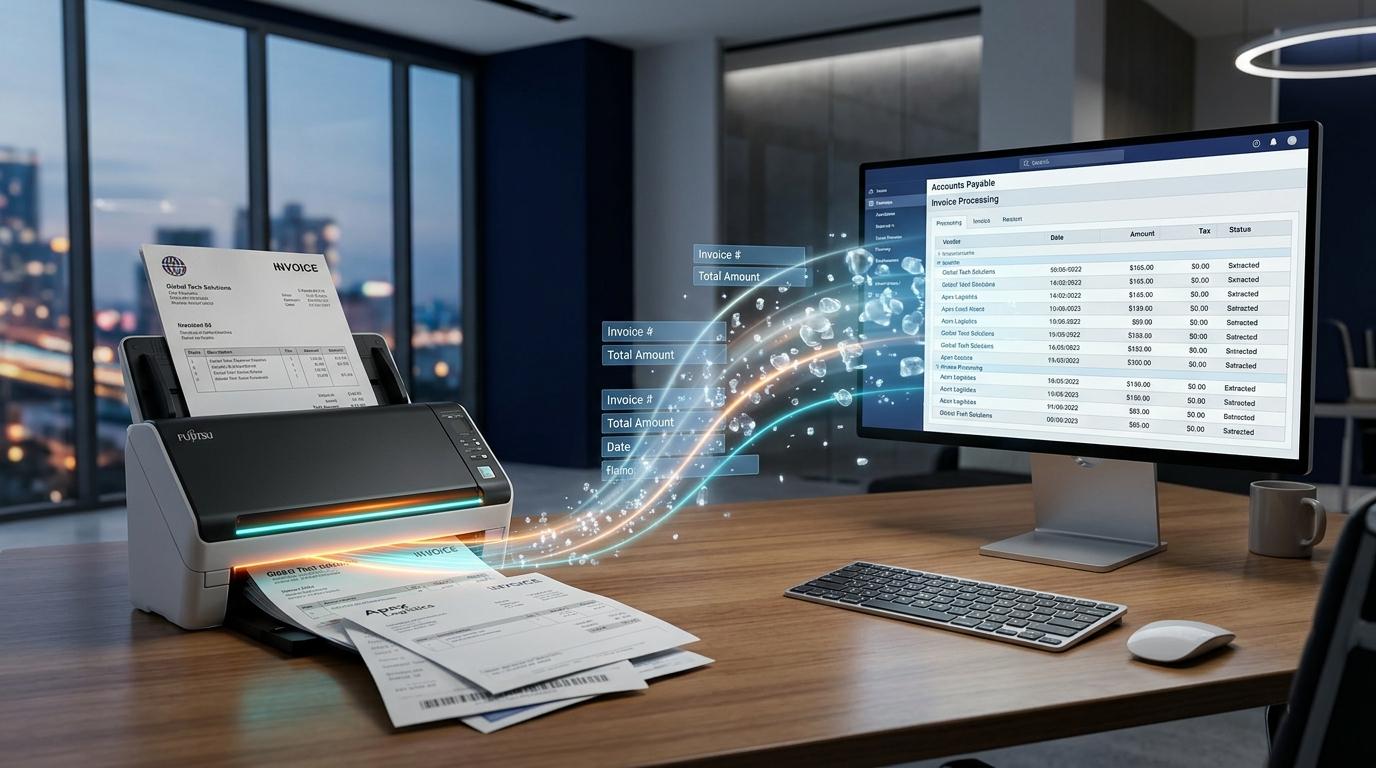
AI Extraction of Invoices, Delivery Notes & Orders into ERP (Pohoda / Helios / ABRA): Accuracy & ROI Breakdown
Manual typing of incoming PDF invoices, delivery notes, and unstructured customer orders costs B2B companies hundreds of hours and generates costly warehouse errors. See how an AI + OCR extraction pipeline with automatic SKU and VAT validation works.

Software for Custom Furniture & Cabinetry: From Whiteboard to Digital Shop Floor & Assembly Dispatch
How custom cabinetry and interior manufacturers eliminate whiteboard chaos and Excel bottlenecks. Complete guide to shop floor dispatch connecting panel saws, edgebanders, spray booths, and field assembly vans.