
Real-Time E-Commerce Integration with Warehouse & ERP via API
Selling products online that are already sold out in reality? Scheduled hourly XML feed imports are a relic of the past. Learn how to architect real-time bi-directional stock, order, and pricing synchronization between Shopify, WooCommerce, and your ERP in sub-second latency.

A common e-commerce pitfall: An online customer orders the last inventory unit at 11:15 AM. Five minutes earlier, a wholesale buyer purchased that identical item over the counter in your showroom. Because stock levels only refresh during scheduled XML batch imports, the online customer gets a cancellation email hours later. The result? A lost customer and wasted support overhead.
Why Periodic XML Feeds Fail in Modern High-Volume E-Commerce
Most e-commerce stores launch with scheduled XML or CSV imports running once an hour (or every 15 minutes at best). This architecture suffers from severe operational bottlenecks:
- High Server Overhead: Full catalogs are re-parsed on every run, even when 99% of SKU prices and stock quantities remain unchanged.
- Overselling Risk: During seasonal promotional peaks (Black Friday, holidays), popular stock clears out in minutes.
- Dispatch Lag: Incoming orders sit idle until the next scheduled polling cycle transfers them to the fulfillment team.
average latency for live stock updates on e-commerce storefronts following barcode scanner picking in connected warehouse ERPs.
Architecture Comparison: Batch XML Feeds vs. Event-Driven Webhook APIs
| Evaluation Metric | Batch XML/CSV Feed | Event-Driven API (Foxmate Architecture) |
|---|---|---|
| Stock Update Latency | 15 to 60 minutes | Instantaneous (real-time under 1 second) |
| Payload Overhead | Entire product catalog retransmitted continuously | Delta payloads transmitting only modified inventory items |
| Storefront Performance Impact | Database locks and sluggish checkout response | Zero performance impact on live checkout transactions |
| Cart Inventory Reservation | Impossible (permits conflicting concurrent purchases) | Supported via temporary cart locking (Inventory Lock) |
| Data Flow Direction | Frequently unidirectional (catalog to store only) | Fully bi-directional (live orders in, live inventory out) |
Technical Architecture: Asynchronous Task Queues & Inventory Locks
We engineer integration pipelines using decoupled microservices powered by distributed message queues (such as Redis and BullMQ):
- Warehouse Inventory Mutation: A warehouse technician scans an item. The ERP fires an
inventory.updatedwebhook payload to our integration middleware. - Queue Ingestion & Throttling: The message is queued with deterministic priority. If the store is handling traffic surges, the worker rate-limits calls to respect store API quotas.
- Atomic Mutation: The storefront updates solely the targeted SKU stock level without invalidating global catalog caches.
Beware of API Rate Limits and Concurrency Collisions
Commercial e-commerce APIs (Shopify, Shoptet) enforce strict rate limits (typically 20-40 requests per second). When an ERP pushes bulk changes for 5,000 SKUs simultaneously, naive scripts trigger HTTP 429 (Too Many Requests) errors and crash. Foxmate integration bridges implement exponential backoff algorithms and batch throttling to guarantee zero dropped events.
Key Benefits
- Complete elimination of overselling out-of-stock inventory and customer dissatisfaction
- Instant order handoff from checkout to warehouse picking lines without human touch
- Automatic bi-directional sync of carrier tracking numbers (DHL, FedEx, UPS) back to customer orders
- Real-time synchronization of tiered wholesale B2B pricing and contract terms
- Zero server performance degradation caused by bloated multi-megabyte XML feeds
- Comprehensive visual audit logs tracking every synchronization event in real time
Frequently Asked Questions
Can multiple online stores synchronize with a single centralized warehouse in ERP?
What occurs during a temporary storefront server outage or network disruption?
How much are warehouse picking errors costing your business?
Calculate the monthly revenue lost to manual order re-typing, delayed dispatch, and cancelled orders.
Čas, který lidé věnují novým zakázkám namísto ručnímu přepisování.
Návratnost investice (ROI) typicky již za 3 až 5 měsíců.
Adam Bešina
Founder & Lead Developer
“My vision is simple: eliminate unnecessary manual routines, digitalise chaos, and build software that genuinely makes companies time and money.”
View full profileRelated Articles & Insights

Massive Critical Vulnerability in PHP (PHP2Shell / CVE-2026-109618): Why Legacy PHP Threatens Corporate Systems & How to Protect Your Business
Technical breakdown of the critical PHP2Shell runtime vulnerabilities (CVE-2026-109618 and CVE-2026-109619, CVSS 9.8) allowing unauthenticated remote code execution (RCE). Find out how to patch your servers immediately and why modern B2B companies are migrating to memory-safe Next.js and TypeScript architectures.
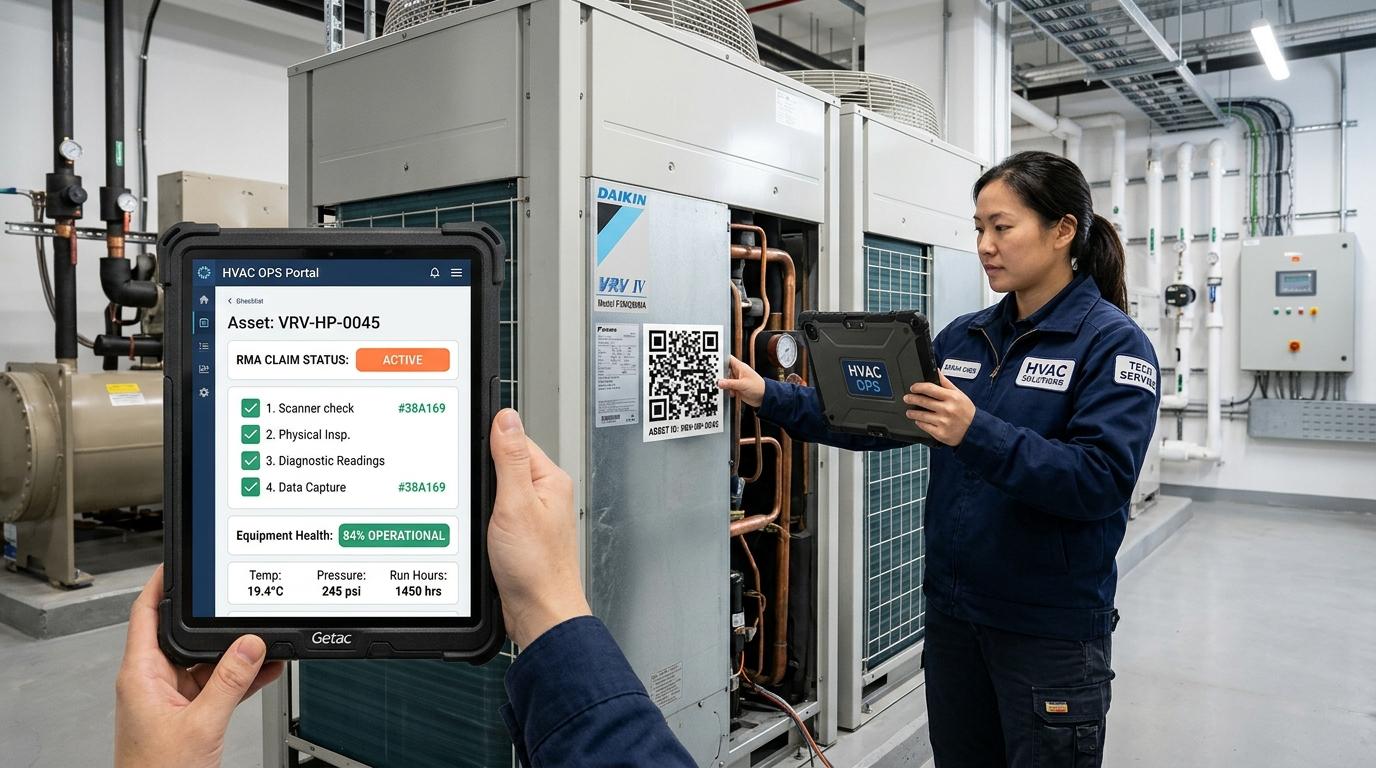
Custom Service & Warranty Portal (RMA): Taming Chaos in Repairs, Spare Parts & Field Technician Dispatch
Managing warranty claims, post-warranty service, and field technician trips across email threads and Excel spreadsheets leads to missed SLA deadlines and unbilled repairs. Discover how a custom RMA & service portal works.
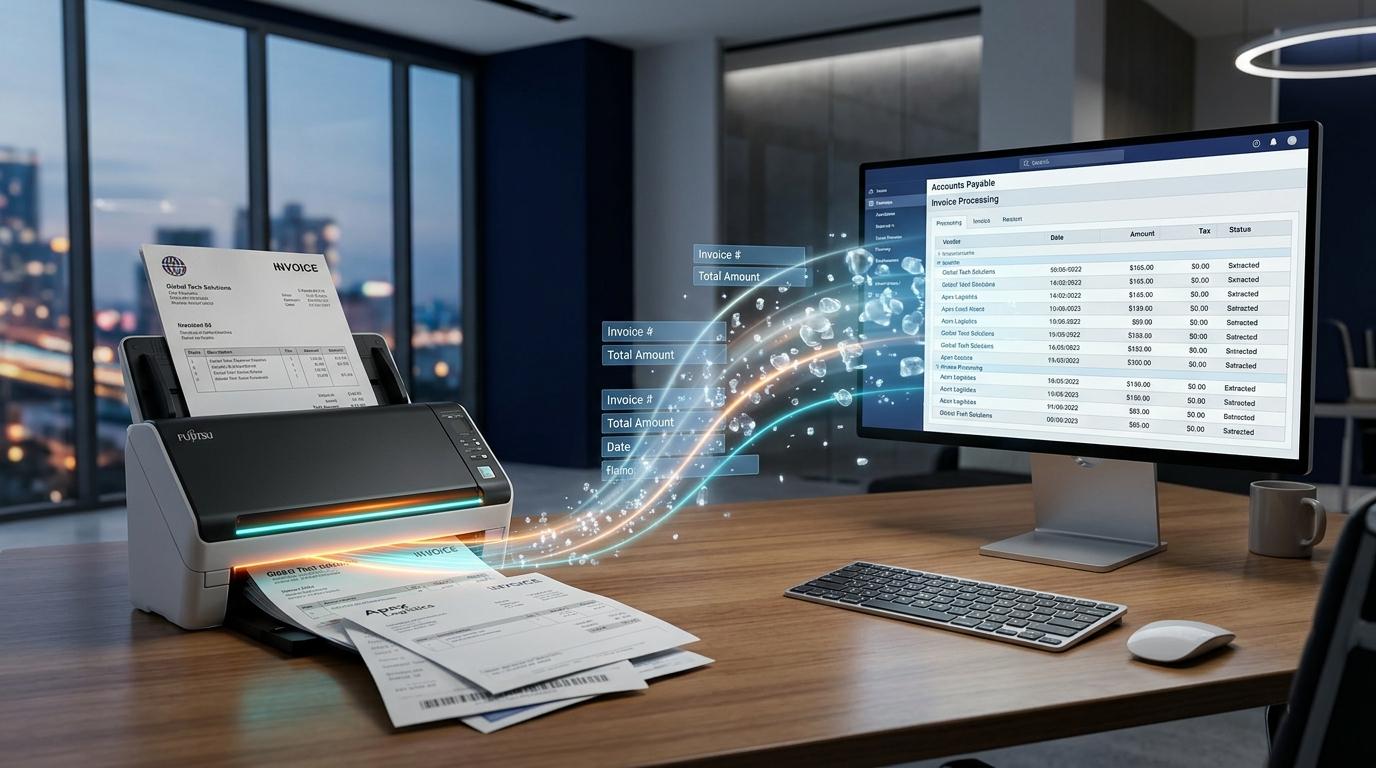
AI Extraction of Invoices, Delivery Notes & Orders into ERP (Pohoda / Helios / ABRA): Accuracy & ROI Breakdown
Manual typing of incoming PDF invoices, delivery notes, and unstructured customer orders costs B2B companies hundreds of hours and generates costly warehouse errors. See how an AI + OCR extraction pipeline with automatic SKU and VAT validation works.